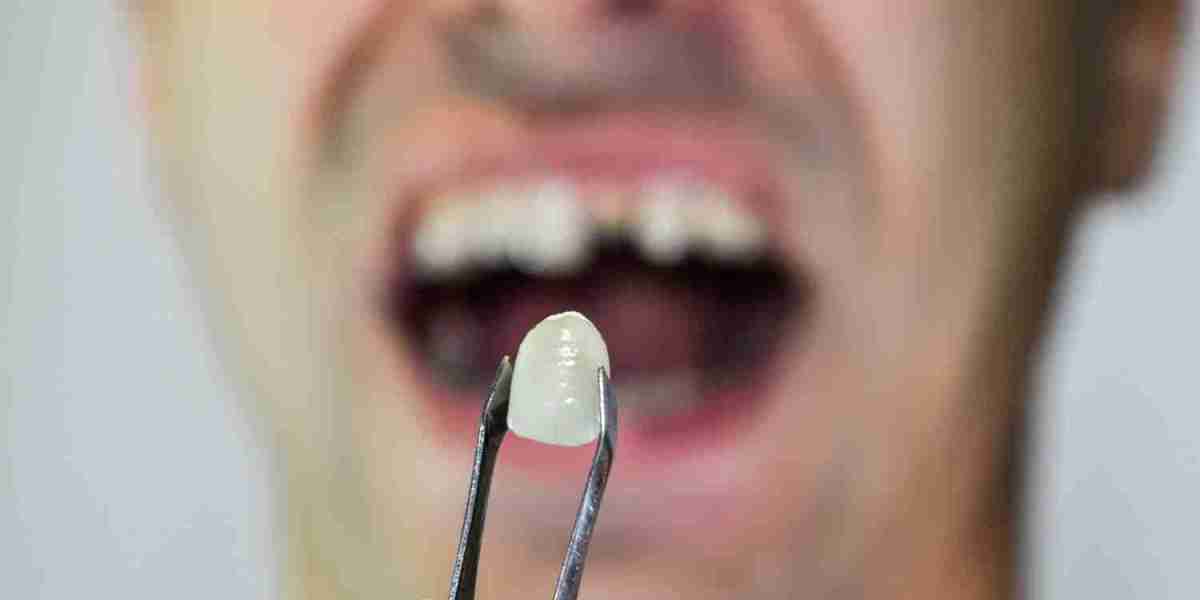

Teeth grinding, medically known as bruxism, is a surprisingly common habit affecting both children and adults. Many people are unaware they do it until symptoms such as jaw pain, worn-down teeth, or morning headaches appear. Understanding what causes tooth grinding is vital to protect your smile from long-term damage and seek timely help. In this guide, we explore the emotional, physical, and lifestyle factors behind this condition and how treatments — from stress management to dental restoration — can make a lasting difference.
What Is Teeth Grinding?
Tooth grinding refers to the repetitive clenching or gnashing of teeth, often during sleep. While some grinding occurs subconsciously in the daytime, sleep bruxism tends to be more intense and harmful. It can gradually wear down enamel, alter bite alignment, and even weaken natural teeth to the point where restorative solutions such as Dental Implant Nottingham procedures may become necessary. Early intervention is essential for preventing irreversible dental damage and improving comfort.
Common Signs and Symptoms
Most people who experience bruxism notice either physical discomfort or audible grinding noticed by a family member or partner. Typical symptoms include:
Persistent jaw, temple, or ear pain, particularly in the morning
Flattened or chipped teeth with increased sensitivity
Tension headaches or migraines
Stiffness in the neck or shoulders
Difficulty opening or closing the mouth fully
If left untreated, these symptoms often worsen, leading to more serious complications involving the jaw joints (TMJ disorders) and tooth loss
Why Do People Grind Their Teeth?
There isn’t just one reason people grind their teeth — it’s usually a mix of emotional, physical, and behavioural triggers. Understanding the most common causes can help in managing and preventing further harm.
1. Stress and Anxiety:
Emotional stress is one of the main drivers of bruxism. When under pressure, individuals subconsciously tighten their jaws or grind their teeth as a physical release. Over time, this muscular tension becomes habitual, often worsening during sleep. Learning effective stress management techniques can greatly reduce both daytime and night-time bruxism.
2. Sleep Disorders and Breathing Issues:
Sleep conditions like obstructive sleep apnoea can lead to disrupted breathing patterns that trigger grinding episodes. The body often reacts to airway blockages by clenching the jaw, prompting tooth friction as an unconscious response to maintain airflow.
3. Misaligned Bite or Missing Teeth:
When teeth don’t meet correctly, the jaw compensates by adjusting itself during chewing or resting, leading to chronic clenching. In such cases, correcting misalignment or replacing missing teeth through solutions like Dental Implant Nottingham treatments can restore balance and prevent further grinding.
Other Contributing Factors
Aside from stress and misalignment, other physical and lifestyle influences play a significant role in tooth grinding Nottingham cases seen by dentists.
Caffeine and Alcohol: Excessive consumption of stimulating substances can heighten muscle activity, making people more prone to tooth grinding at night.
Medications: Some antidepressants and drugs can inadvertently cause jaw muscle tension as a side effect.
Genetics: Bruxism often appears in family histories, suggesting a hereditary component.
Personality Traits: Highly driven, competitive, or perfectionist individuals tend to grind more frequently due to continuous tension and focus.

The Hidden Effects of Tooth Grinding
Although it may initially seem harmless, untreated grinding can lead to extensive dental and muscular complications. Prolonged pressure and friction can slowly weaken enamel, change the tooth shape, and cause microfractures that eventually lead to breakage. The table below outlines the main short-term and long-term consequences of Tooth Grinding Nottingham.
Type of Effect | Description | Possible Treatment |
Short-Term Discomfort | Jaw pain, stiffness, facial soreness, and mild headaches | Night guards, physiotherapy, stress relief exercises |
Enamel Wear | Gradual thinning or flattening of tooth surfaces | Dental bonding, crowns, and fluoride treatments |
Tooth Sensitivity | Reactivity to hot or cold due to exposed dentine | Desensitising toothpaste, professional treatment |
TMJ Disorders | Jaw clicking, restricted movement, and muscle strain | Bite correction, orthodontic therapy, and Botox relaxation |
Tooth Loss or Fracture | Severe structural damage leading to potential tooth extraction | Replacement options such as Dental Implant Nottingham |
When to Seek Professional Help
Recognising tooth grinding early prevents the problem from escalating into irreversible damage. You should book a dental consultation if you:
Experience ongoing jaw or facial pain in the mornings
Notice worn or chipped teeth
Hear grinding sounds during your sleep reported by a partner
Feel tension headaches after waking
Your dentist can perform a detailed assessment of tooth surfaces and jaw function, sometimes recommending additional scans to identify uneven bite pressures or TMJ stress points.
Effective Treatment Options
Treatment for tooth grinding depends on identifying the cause. A comprehensive approach combining dental intervention and lifestyle modification often delivers the best results.
Dental Treatments
Dentists may create custom night guards that act as protective barriers between upper and lower teeth, preventing enamel wear during sleep. In severe cases where grinding has damaged teeth, restorative methods such as crowns, veneers, or even Dental Implant Nottingham replacements can restore aesthetics and bite function. If jaw misalignment contributes to grinding, orthodontic adjustments or bite rehabilitation may be recommended.
Lifestyle Management
Since bruxism is often linked with emotional stress, relaxation techniques such as mindfulness, deep breathing, yoga, or cognitive behaviour therapy can significantly reduce its frequency. Avoiding excessive alcohol or caffeine in the evening can also minimise grinding episodes during sleep.
Sleep Therapy
For individuals whose bruxism stems from sleep disorders like apnoea, addressing underlying breathing issues is crucial. Dentists and sleep specialists may collaborate to manage nocturnal airway problems, sometimes recommending oral appliances that reposition the jaw forward to prevent airway collapse.
Preventing Tooth Grinding: What You Can Do
Proactively managing daily habits goes a long way toward protecting your dental health and preventing stress-related grinding.
Maintain a consistent sleep schedule to promote relaxation and reduce nocturnal clenching.
Avoid biting hard objects such as pens or fingernails, which reinforce the jaw’s grinding reflex.
Schedule regular dental check-ups to catch early signs of enamel wear.
Practise jaw relaxation techniques before bedtime, such as gentle stretching or warm compresses.
When Tooth Grinding Causes Major Damage
In some severe Tooth Grinding Nottingham cases, the wear can progress beyond surface damage. Once the enamel weakens, cracks may form that penetrate deeper into the tooth structure, making it more susceptible to decay or fracture. In extreme scenarios where tooth loss occurs, dental implants may be needed to restore full functionality. dental implant Nottingham treatments offer a permanent solution that replaces missing roots and stabilises the bite, preventing future misalignment-related grinding.

Living Comfortably After Treatment
Adjusting to life without painful grinding involves retraining your jaw muscles and maintaining conscious awareness during stressful moments. Wearing a protective guard at night, reducing caffeine intake, and integrating relaxation into daily life are all effective strategies. Over time, these changes not only protect the teeth but also enhance sleep quality, reduce headaches, and prevent long-term wear.
Final Thoughts
Teeth grinding is more than just an unconscious habit—it is a response to emotional stress, improper bite alignment, or lifestyle triggers that can significantly impact your dental health. Early recognition and timely treatment are essential for preventing lasting damage. Whether you need advice on managing stress-related clenching or require restorative options such as Dental Implant Nottingham services after wear-related tooth loss, professional dental guidance can make all the difference. For comprehensive care and personalised treatment plans, visit Smilo Dental Implants Nottingham, where expert support ensures lasting comfort and protection against the effects of bruxism.