Unlock the Secrets of Mitsubishi VFDs: Discover How They Transform Industries!
Variable Frequency Drives (VFDs) have become a cornerstone of modern industrial automation, allowing for precise control over motor speed and torque. These devices are essential for optimizing performance and enhancing energy efficiency across a variety of applications. Among the leading innovators in this technology is Mitsubishi, known for its advanced solutions that cater to diverse industrial needs. In this article, we will delve into the intricacies of Mitsubishi VFDs, exploring how they operate, their wide-ranging applications, and the numerous advantages they offer to businesses striving for efficiency and sustainability.
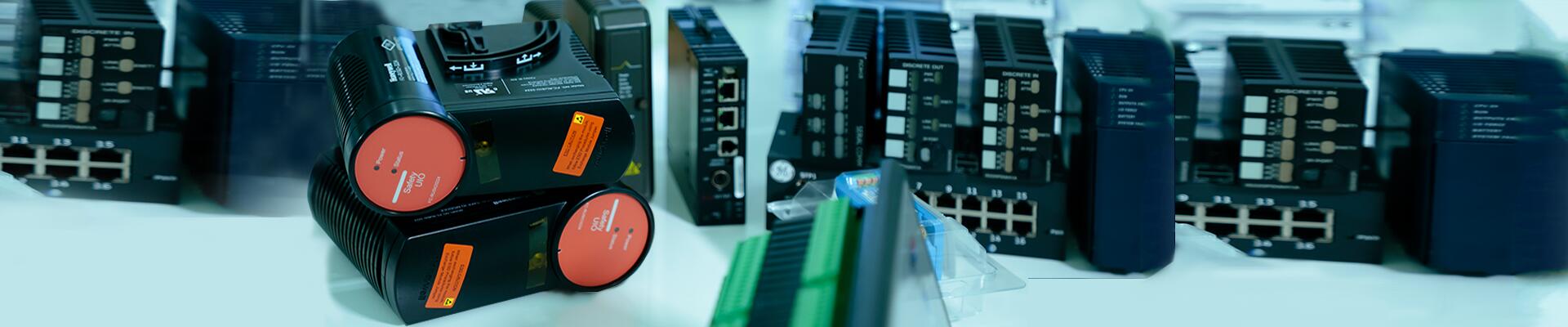
Understanding Mitsubishi VFDs
A Variable Frequency Drive (VFD) is an electronic device that controls the speed and torque of an electric motor by varying the frequency and voltage of its power supply. The basic components of a VFD include a rectifier, which converts incoming AC power to DC; a DC bus, which smooths the power; and an inverter, which converts the DC power back to variable frequency AC power. Mitsubishi VFDs are distinguished by their cutting-edge technology, featuring advanced algorithms that enhance efficiency and performance. They are designed to meet the rigorous demands of industrial environments, ensuring reliability and longevity. Notably, their compact design allows for easy integration into existing systems, making them a preferred choice among engineers and operators.
How Mitsubishi VFDs Work
The working principle of a VFD is rooted in its ability to manipulate the power supplied to the motor. It achieves this through a process of power conversion. Initially, the VFD takes incoming AC power and converts it to DC using the rectifier. This DC power is then fed into a DC bus, where capacitors smooth out any fluctuations. The inverter then converts this DC back into AC power, but at a frequency and voltage that can be adjusted according to the needs of the motor. Modulation techniques, such as pulse width modulation (PWM), are employed to ensure that the output waveform closely resembles a pure sine wave, minimizing harmonic distortion. Feedback systems are also integrated into Mitsubishi VFDs, allowing for real-time monitoring and adjustments, which ensure optimal performance and energy efficiency.
Applications of Mitsubishi VFDs
Mitsubishi VFDs find applications across a multitude of industries, demonstrating their versatility and effectiveness. In manufacturing, VFDs are used to control conveyor belts, pumps, and fans, allowing for precise speed control that enhances production efficiency. In HVAC systems, they regulate the airflow and temperature, ensuring a comfortable environment while significantly reducing energy consumption. The renewable energy sector also benefits from VFD technology, particularly in wind and solar power systems, where they play a critical role in optimizing the performance of generators and inverters. A friend who works in a manufacturing plant shared how implementing Mitsubishi VFDs reduced their energy consumption by nearly 30%, showcasing the tangible benefits of this technology in real-world scenarios.
Advantages of Using Mitsubishi VFDs
The advantages of implementing Mitsubishi VFDs in industrial settings are numerous. One of the most significant benefits is energy savings; by controlling the motor speed according to the load requirements, VFDs can lead to substantial reductions in energy consumption. Improved process control is another advantage, as operators can fine-tune motor performance to meet specific operational demands. This level of control not only enhances overall system efficiency but also reduces wear and tear on equipment, prolonging its lifespan and minimizing maintenance costs. Additionally, VFDs contribute to a more stable power supply, reducing the risk of voltage fluctuations that can lead to equipment damage. As industries increasingly focus on sustainability, the adoption of VFD technology aligns perfectly with the goals of reducing carbon footprints and operational costs.
Benefits of Mitsubishi VFDs in Industrial Applications
In conclusion, Mitsubishi VFDs play a crucial role in enhancing the efficiency and effectiveness of industrial operations across various sectors. From their advanced technology and reliable performance to their significant energy-saving capabilities, these drives offer a multitude of advantages that can transform how businesses operate. As industries continue to evolve, the importance of adopting smart technologies like VFDs cannot be overstated. For those looking to optimize their operations, considering the integration of VFD technology could yield remarkable benefits not only for productivity but also for sustainability.