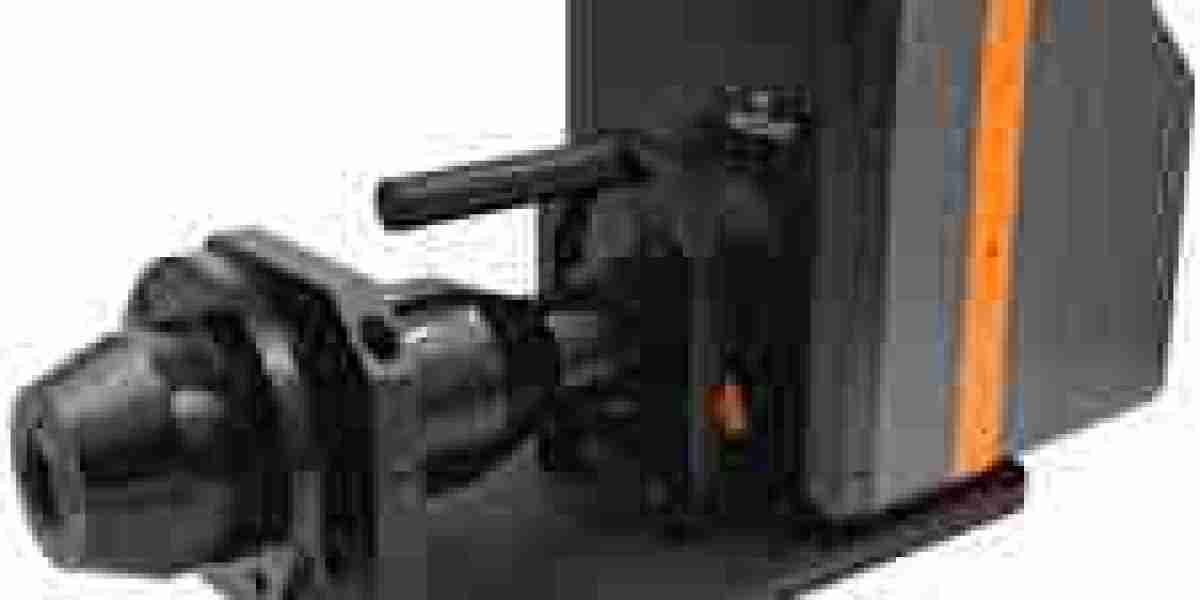

In precision optics, a conoscope lens plays a vital role in detecting and analyzing light patterns. This specialized optical lens is designed for applications where accurate measurement of light direction, polarization, and interference patterns is required. From industrial inspection to scientific research, conoscope lenses enable professionals to visualize complex optical phenomena with unmatched precision.
In this article, we’ll explore what a conoscope lens is, how it works, and why it has become a critical component in modern optical detection and measurement systems. You’ll also learn about its benefits, uses, and factors to consider when selecting the right lens for your application.
What Is a Conoscope Lens?
A conoscope lens is an optical component used to observe and measure the angular distribution of light emerging from transparent or semi-transparent materials. It works based on the principle of conoscopic observation, where interference patterns are analyzed to determine properties such as stress, birefringence, or refractive index differences.
Unlike ordinary lenses that focus on spatial imaging, a conoscope lens captures the angular information of light. This makes it ideal for polariscopes, LCD inspection systems, and optical measurement instruments where light behavior within materials needs to be studied accurately.
Working Principle of a Conoscope Lens
The conoscope lens works by forming an image of the light’s angular distribution onto a detection plane—usually a camera or an image sensor. When polarized light passes through a birefringent sample, the light rays exit at different angles depending on the internal stresses of the material.
The conoscope lens collects these rays and converts the angular differences into interference fringes that can be visualized and analyzed. These patterns help engineers and researchers evaluate the internal structure and optical quality of materials.
Key stages include:
Light enters the birefringent sample.
Polarization changes occur inside the material.
Conoscope lens captures and projects angular light distribution.
Resulting fringe patterns reveal internal stress or optical characteristics.
This setup allows precise analysis of crystals, plastics, glass, and display panels under various lighting and polarization conditions.
Applications of Conoscope Lens in Modern Optics
1. LCD and Display Inspection
Conoscope lenses are widely used in the flat-panel display industry to measure viewing angle uniformity, polarization, and color variation in LCD and OLED screens. This ensures high visual quality and consistency across devices.
2. Birefringence and Stress Analysis
They are essential in birefringence testing—where internal stresses in transparent materials like glass, plastics, and crystals are analyzed. This helps manufacturers maintain optical performance and material durability.
3. Polarization Microscopy
In research and education, conoscope lenses enhance polarizing microscopes, allowing detailed observation of interference patterns in minerals, polymers, and thin films.
4. Optical Quality Control
Industrial optical systems use conoscope lenses for precision inspection, beam alignment, and optical calibration, improving product reliability and reducing manufacturing defects.
5. Photonics and Laser Applications
In laser optics and photonics, these lenses measure beam profiles, angular spread, and interference effects, ensuring stable light performance across optical setups.
Benefits of Using a Conoscope Lens
Conoscope lenses provide multiple advantages in industrial and scientific applications:
High Angular Resolution: Enables detailed analysis of light direction and interference patterns.
Non-Destructive Testing: Evaluates internal properties of materials without damaging them.
Enhanced Precision: Provides accurate measurement of birefringence and stress distribution.
Compact Design: Easily integrates into microscopes and optical instruments.
Versatile Usage: Supports multiple optical configurations and polarization states.
These benefits make the conoscope lens a reliable choice for quality control, inspection, and R&D environments.
Choosing the Right Conoscope Lens
When selecting a conoscope lens, consider factors such as:
Field of View: Determines the angular range the lens can capture.
Numerical Aperture (NA): Affects the sensitivity and resolution of measurements.
Compatibility: Ensure it fits with existing optical systems, cameras, or polarization setups.
Material Quality: Lenses made from high-quality glass or crystal provide better optical clarity and reduced distortion.
Application Requirements: Select lenses optimized for visible, infrared, or ultraviolet light ranges based on your project.
For industrial users, reliable suppliers like ARVROptical offer precision-engineered conoscope lenses suitable for different detection and inspection needs. Explore their complete range of conoscope lenses designed to meet the highest optical performance standards.
Future of Conoscope Lenses in Optical Measurement
With increasing demand for high-resolution displays, advanced materials, and precision engineering, conoscope lenses are becoming even more vital. The trend toward automation and digital imaging means that future lenses will offer greater integration with software-based analysis tools.
Emerging applications in augmented reality (AR) and optical metrology are also creating new opportunities for conoscope lens innovation, enabling faster and more accurate measurement techniques.
Conclusion
The conoscope lens is a key element in today’s optical and industrial measurement systems. Its ability to visualize angular light distribution helps researchers and manufacturers maintain the highest levels of precision and reliability. Whether in display testing, birefringence inspection, or optical calibration, this advanced lens technology continues to push the boundaries of optical science.
If you’re seeking professional-grade lenses for optical inspection or display measurement, visit ARVROptical’s to explore precision optical solutions tailored to modern detection needs.