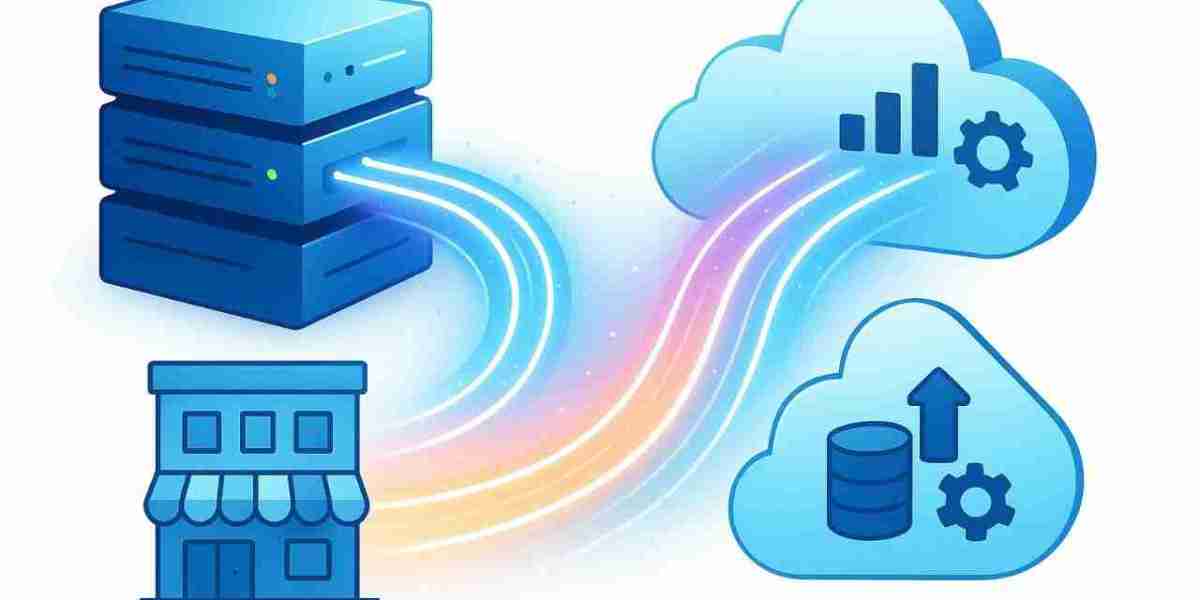

In today’s fast-paced digital environment, businesses constantly upgrade systems, move to the cloud, or consolidate databases. Every transition involves moving large volumes of data safely and efficiently. Data migration consulting services provide expert guidance to ensure that data moves seamlessly from one environment to another without loss, corruption, or downtime.
Imagine moving your entire office to a new building overnight without packing, labeling, or planning. Without professional assistance, chaos would ensue. Data migration consulting acts like a professional moving team for your digital assets—they plan every step, handle sensitive “fragile” data carefully, and ensure the process is smooth and efficient.
Consulting services are not just about executing the migration—they analyze existing systems, identify risks, implement best practices, and provide strategies for a successful, low-risk transition. Businesses of all sizes can benefit from these services, particularly when dealing with complex datasets, regulatory requirements, or tight deadlines.
Understanding Data Migration
Data migration is the process of transferring data between storage systems, formats, or environments. This can involve moving on-premises databases to cloud storage, consolidating legacy systems, or upgrading enterprise software. Migration is critical because organizations rely on accurate, accessible data to make decisions, drive operations, and maintain customer trust.
There are several types of data migration:
Storage Migration: Moving data between storage types or locations.
Database Migration: Upgrading or transferring databases to new platforms.
Application Migration: Shifting application data when switching software solutions.
Cloud Migration: Moving on-premises systems or databases to cloud environments.
Without a structured migration approach, businesses risk data loss, corruption, extended downtime, or compliance violations. Consulting services help mitigate these risks by combining expertise, technology, and best practices to plan and execute migrations effectively.
Why Businesses Require Data Migration Consulting Services
Data migration projects are often complex, involving multiple systems, large volumes of data, and tight schedules. Consulting services provide the expertise, methodologies, and tools required to manage these challenges efficiently.
Ensuring Data Accuracy and Consistency
Migrating data without losing its integrity is critical. Consulting experts assess existing datasets, identify inconsistencies, and design transformation rules to ensure that the data remains accurate and usable in the new system. Think of it as translating a book from one language to another while keeping the meaning, context, and style intact.
Minimizing Downtime and Business Disruption
Businesses cannot afford prolonged downtime during migration. Consulting services plan migration in phases, use automated tools, and schedule transitions during low-traffic periods to minimize disruption. This ensures that business operations continue smoothly and customers experience little to no interruption.
Key Steps in Data Migration
Successful data migration involves several structured steps:
Data Assessment and Planning
Before moving data, consultants assess the current systems, analyze data quality, and plan migration strategies. This step identifies potential risks, estimates timelines, and allocates resources. Proper planning ensures that the migration is predictable, controlled, and aligned with business goals.
Data Extraction and Transformation
Raw data is extracted from source systems and transformed to match the destination’s requirements. This may involve cleaning, standardizing, or restructuring data. Transformation ensures that the migrated data is compatible, accurate, and ready for operational use in the new environment.
Data Validation and Testing
Before final deployment, the migrated data is validated to ensure integrity, completeness, and accuracy. Testing ensures that any issues are identified and resolved early, reducing the risk of errors affecting business operations.
Popular Tools and Technologies in Data Migration
Modern migrations leverage advanced tools to improve efficiency and accuracy:
ETL Tools: Talend, Informatica, and Apache Nifi streamline extraction, transformation, and loading.
Cloud Platforms: AWS, Azure, and Google Cloud provide scalable migration and storage solutions.
Automation Frameworks: Tools that reduce manual intervention, speed up processes, and ensure repeatability.
Using these tools, consulting services can automate repetitive tasks, monitor progress, and reduce human errors, ensuring migrations are faster and more reliable.
Best Practices for Successful Data Migration
A few best practices significantly improve migration outcomes:
Monitoring and Error Handling
Continuous monitoring tracks migration progress, identifies bottlenecks, and catches errors in real-time. Automated error handling ensures that failed tasks are retried or logged, minimizing risk and downtime.
Security and Compliance Considerations
Migration often involves sensitive or regulated data. Consultants implement encryption, access controls, and adhere to regulations such as GDPR, HIPAA, or industry-specific compliance requirements to protect data throughout the migration process.
Emerging Trends in Data Migration Consulting
The field of data migration is evolving rapidly. Emerging trends include:
AI-Assisted Migration: Machine learning algorithms detect anomalies, predict risks, and optimize transformation.
Cloud-First Strategies: Organizations prioritize migrating to cloud environments for scalability, flexibility, and cost-efficiency.
Automation and Orchestration: Reducing manual effort and errors while increasing speed and reliability.
Keeping up with these trends allows businesses to adopt cutting-edge strategies that enhance migration efficiency and reduce risk.
Conclusion
Data migration consulting services are critical for organizations aiming to move data safely, efficiently, and accurately. From assessing current systems to planning, executing, and validating migrations, these services ensure minimal downtime, accurate results, and compliance with regulatory requirements. Leveraging expert guidance and modern tools, businesses can achieve seamless transitions and maintain operational continuity while maximizing the value of their data.
FAQs
1. What are data migration consulting services?
They are professional services that guide organizations through transferring data between systems, ensuring accuracy, security, and efficiency.
2. Why is data migration important for businesses?
Accurate, timely, and accessible data is essential for decision-making, operations, and customer satisfaction.
3. How do consulting services reduce migration risks?
By planning, validating, monitoring, and using best practices and automated tools to prevent errors and minimize downtime.
4. What tools are commonly used in data migration projects?
ETL tools like Talend and Informatica, cloud platforms such as AWS and Azure, and automation frameworks.
5. Can data migration consulting help with cloud transitions?
Yes. Consultants design cloud migration strategies, ensure data compatibility, and manage secure, seamless transitions.