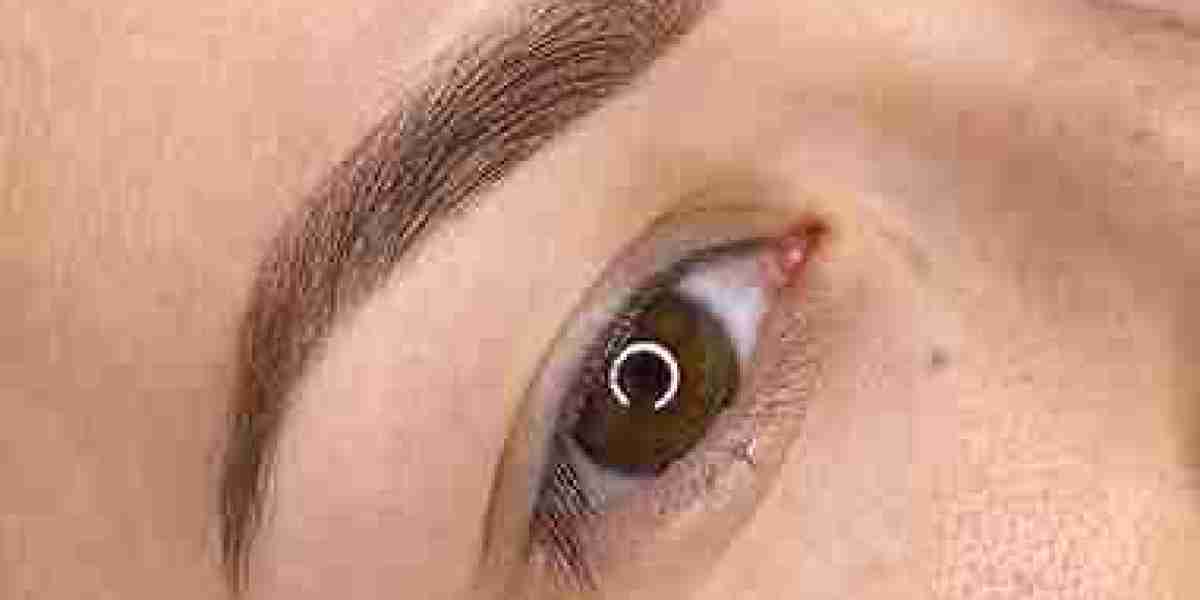

Microblading has revolutionized the beauty industry by offering a semi-permanent solution for achieving natural-looking eyebrows. This technique, part of the broader category of permanent makeup, is celebrated for its precision in creating hair-like strokes that mimic real eyebrow hairs. It has gained immense popularity among individuals seeking effortless beauty enhancements, making it a cornerstone of modern aesthetic practices.
The Art and Science of Microblading
Microblading is a meticulous process that combines artistry with science. Using a handheld tool equipped with tiny needles, pigment is deposited into the upper layers of the skin to simulate individual eyebrow hairs. Unlike traditional tattooing, Microblading focuses on superficial pigmentation, ensuring a more natural and subtle appearance. The technique requires skilled professionals who understand facial symmetry and skin anatomy to deliver optimal results.
Benefits of Microblading
One of the primary advantages of microblading is its ability to provide fuller and well-defined eyebrows without daily maintenance. For individuals with sparse or uneven brows, this procedure offers a transformative solution. It saves time and eliminates the need for constant touch-ups with makeup products. Additionally, microblading can boost confidence by enhancing facial aesthetics and creating a youthful appearance.
Procedure Overview
The microblading process begins with an initial consultation where the client’s preferences and facial structure are assessed. Once the desired shape and thickness are determined, numbing cream is applied to minimize discomfort during the procedure. The technician then uses the microblading tool to create precise strokes, mimicking natural hair growth patterns. After completion, an antibiotic ointment is applied to aid healing.
Healing and Aftercare
Proper aftercare is essential for achieving long-lasting results from microblading. During the healing phase, which typically lasts one to two weeks, clients should avoid excessive moisture, sun exposure, and strenuous activities that may affect the treated area. Flaking and scabbing are common but temporary side effects. Following the technician’s aftercare instructions ensures optimal pigment retention and prevents complications.
Longevity and Maintenance
While often referred to as permanent makeup, microblading is semi-permanent due to its placement in the superficial layers of the skin. Results usually last between one to three years, depending on factors such as skin type, lifestyle, and adherence to aftercare protocols. Touch-up sessions are recommended annually to maintain the desired look and refresh faded pigments.

Risks and Considerations
Despite its benefits, microblading carries certain risks that clients should be aware of. These include allergic reactions to pigments, infection from improper hygiene during the procedure, or unsatisfactory results due to unskilled technicians. Choosing a certified professional with experience in microblading minimizes these risks significantly. Researching reviews and portfolios before booking an appointment is crucial.
Conclusion
Microblading has emerged as a game-changer in permanent makeup by offering precision-driven solutions for natural-looking brows. Its ability to enhance facial features while reducing daily maintenance makes it an attractive option for many individuals. However, understanding the procedure, aftercare requirements, and potential risks is vital for ensuring satisfaction with the results. With skilled professionals and proper care, microblading can deliver stunning brows that complement your unique beauty effortlessly.