
Modern applications must be resilient, responsive, and resource-efficient. As cloud-native adoption grows, so does the demand for dynamic infrastructure that can respond to fluctuating workloads. Enter Kubernetes autoscaling—a key feature enabling organizations to scale workloads automatically based on real-time usage. At Kapstan, we help companies harness the full power of Kubernetes autoscaling to drive performance and cost efficiency.
What Is Kubernetes Autoscaling?
Kubernetes autoscaling refers to the process of automatically adjusting the number of running pods or nodes in response to application demands. Instead of provisioning static resources, autoscaling ensures your application can elastically expand or shrink based on usage patterns.
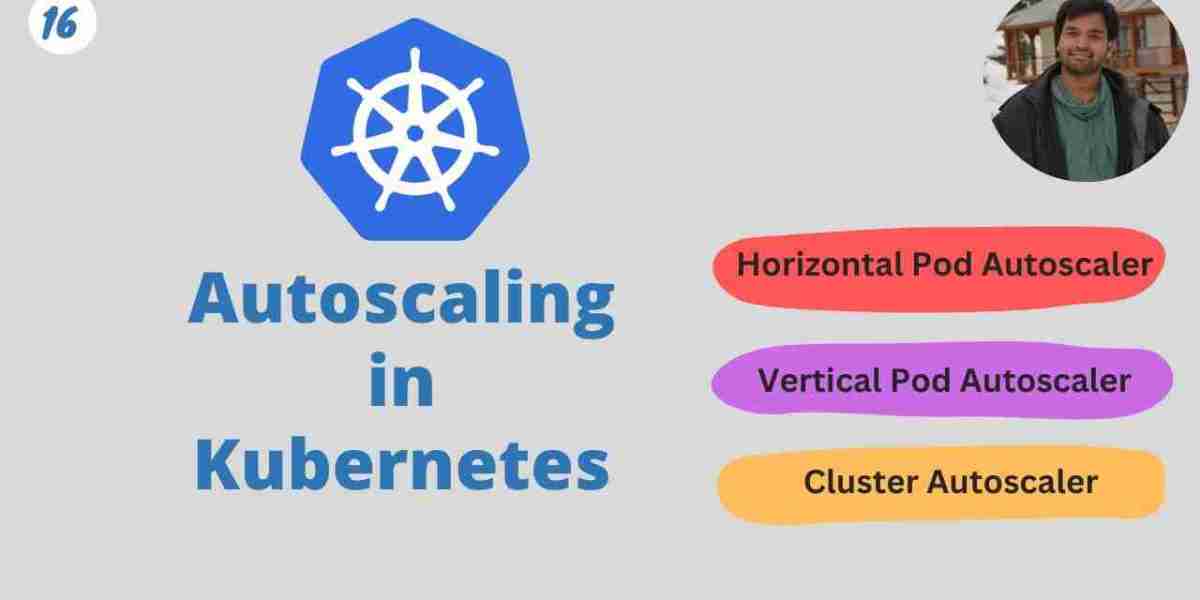
There are three main types of autoscaling in Kubernetes:
1. Horizontal Pod Autoscaler (HPA)
HPA adjusts the number of pod replicas based on observed CPU utilization or other select metrics like memory or custom metrics. For example, if your pods regularly exceed 80% CPU usage, HPA can automatically add more pods to distribute the load.
2. Vertical Pod Autoscaler (VPA)
VPA modifies the resource requests and limits (CPU and memory) for individual pods, adjusting them upward or downward as needed. This ensures each pod has the optimal resources to operate efficiently without over-provisioning.
3. Cluster Autoscaler (CA)
While HPA and VPA work at the pod level, the Cluster Autoscaler operates at the node level. When there are unschedulable pods due to resource constraints, CA adds new nodes to the cluster. Conversely, if nodes are underutilized and pods can be moved elsewhere, CA removes those nodes.
Why Autoscaling Matters
Autoscaling isn’t just a performance optimization—it's a business enabler. Here’s why:
Cost Efficiency: Pay only for the resources you actually need.
Improved Reliability: Maintain availability during traffic spikes.
Developer Agility: Scale automatically without manual intervention.
Operational Simplicity: Reduce the burden on DevOps teams with smart scaling.
Real-World Use Case: E-Commerce Application
Imagine an e-commerce platform that sees traffic surges during flash sales or festive seasons. With HPA, it can automatically scale out its frontend pods to handle increased user activity. Cluster Autoscaler ensures that the required infrastructure is provisioned instantly. After the traffic dies down, Kubernetes scales the pods and nodes back down, optimizing both performance and cost.
How Kapstan Simplifies Kubernetes Autoscaling
At Kapstan, we’ve helped multiple organizations design and implement robust autoscaling strategies that align with their infrastructure goals. Our expertise covers:
Metric Configuration: Proper setup of CPU, memory, and custom metrics for accurate scaling.
Custom Autoscalers: Advanced autoscaling logic using Prometheus metrics, custom controllers, or KEDA (Kubernetes Event-Driven Autoscaling).
Cloud Cost Optimization: Strategic autoscaling implementation to lower cloud bills without compromising performance.
Monitoring & Alerts: Integration with tools like Grafana and Prometheus to visualize autoscaling behavior and catch anomalies early.
We don’t believe in one-size-fits-all. Every business has different scaling needs—and Kapstan builds autoscaling solutions tailored to your workloads and goals.
Best Practices for Implementing Kubernetes Autoscaling
Set Realistic Resource Requests: Avoid over-requesting CPU/memory, which can lead to inefficient scaling.
Use Custom Metrics: Go beyond CPU/memory with metrics that reflect actual business performance (e.g., request count, queue length).
Monitor Continuously: Use dashboards and alerts to track autoscaling actions and validate behavior.
Test Scaling Scenarios: Simulate traffic patterns to ensure autoscalers behave predictably under load.
Final Thoughts
Kubernetes autoscaling isn’t just a technical enhancement—it’s a strategic capability. When implemented correctly, it leads to faster application response times, better uptime, and significant cost savings. But success with autoscaling requires expertise, planning, and continuous tuning.
That’s where Kapstan comes in.
Whether you're running workloads on EKS, GKE, or self-managed Kubernetes, our team at Kapstan can help you architect an autoscaling strategy that delivers results. From initial setup to fine-tuning, we ensure your Kubernetes clusters are always right-sized for performance and cost.
Ready to scale smarter? Let Kapstan show you how.