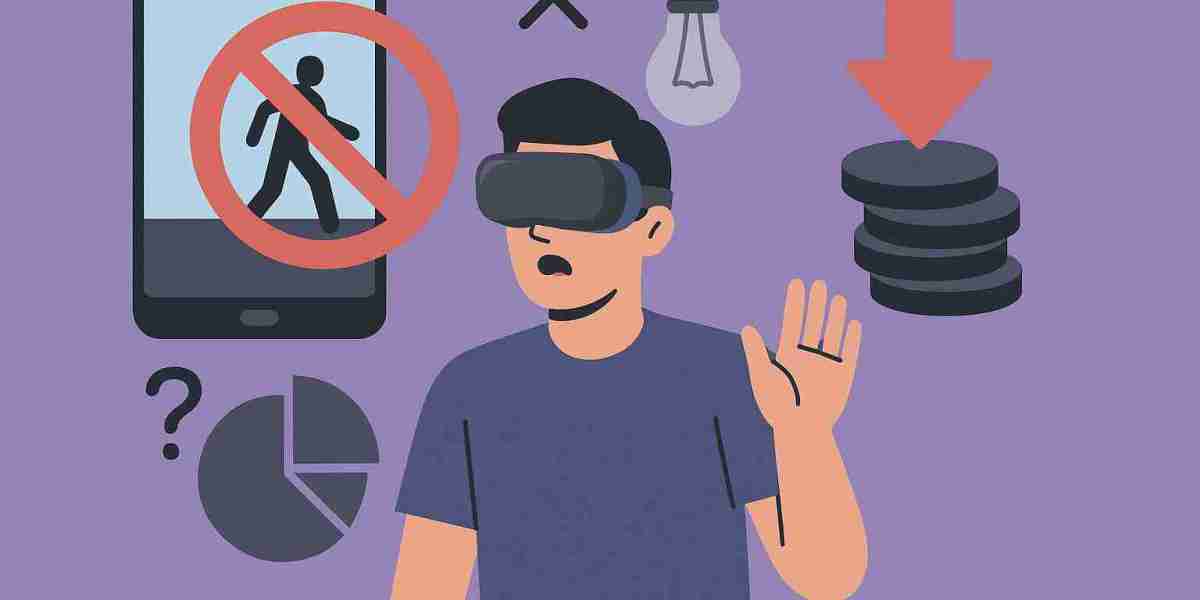

Immersive technologies like Virtual Reality (VR), Augmented Reality (AR), and Mixed Reality (MR) are transforming how brands connect with audiences. From virtual product launches to AR try-ons to interactive brand activations, immersive tech has the power to create experiences that are memorable, emotional, and deeply engaging.
But here’s the catch: while the possibilities are endless, many brands fall into the same traps. Instead of driving impact, their immersive projects end up being expensive gimmicks — impressive in the moment but forgotten the next day.
At Ventured Knowmads, we’ve helped brands navigate the immersive landscape, and we’ve seen where things go wrong. If you’re considering an immersive project, here are the biggest mistakes to avoid — and how to do it right.
1. Chasing Tech for Tech’s Sake
One of the most common mistakes brands make is adopting immersive tech just to look innovative.
We’ve all seen campaigns where the AR filter feels irrelevant, or the VR experience has no connection to the brand story. These projects might grab short-term attention, but they don’t create long-term value.
The Fix: Always start with the brand story, not the technology. Ask: How does this tech enhance the message we’re trying to communicate? At Ventured Knowmads, we design experiences where tech serves strategy, not the other way around.
2. Forgetting the Audience
Immersive campaigns often fail because they’re built around what the brand wants to showcase — not what the audience actually wants to experience.
A VR demo that’s too complicated for first-time users.
An AR filter that only works on the newest devices.
A “gamified” experience that isn’t fun.
The result? Frustration, not engagement.
The Fix: Design with empathy. Understand your audience’s habits, tech comfort level, and motivations. Immersive experiences should feel intuitive, accessible, and rewarding.
3. Ignoring Accessibility & Scale
Another big mistake is forgetting that not everyone can or will access immersive tech. VR headsets are still niche, AR experiences require specific hardware, and bandwidth limitations can ruin even the best-designed content.
We’ve seen brilliant experiences flop because only a fraction of the intended audience could actually use them.
The Fix: Always plan for accessibility and scale. If you’re launching a VR activation, consider creating shareable 2D versions for social. If you’re building an AR filter, test it across multiple devices. At Ventured Knowmads, we ensure immersive campaigns don’t alienate large parts of the audience.
4. Overcomplicating the Experience
Immersive tech can be complex under the hood, but that doesn’t mean the user experience should be. Too many brands cram in features, menus, and interactivity that overwhelm rather than delight.
Remember: people want memorable moments, not technical showcases.
The Fix: Keep it simple. A single, clear, emotionally resonant interaction is far more powerful than a cluttered experience. Some of the best immersive campaigns succeed because they’re intuitive and easy to enjoy.
5. Treating Immersive as a One-Off Stunt
Perhaps the biggest mistake: treating immersive campaigns as isolated stunts rather than part of a larger strategy.
A flashy AR effect might get a spike in shares, but if it isn’t connected to brand values or long-term storytelling, it fades quickly. True ROI comes when immersive experiences build brand equity — not just buzz.
The Fix: Integrate immersive into your bigger picture. Think about how a VR demo supports your sales funnel, or how an AR filter ties into your brand’s identity. At Ventured Knowmads, we build immersive activations as part of a cohesive ecosystem — not just a party trick.
6. Neglecting Measurement and ROI
Too many brands jump into immersive without clear success metrics. They measure “wow factor” instead of actual outcomes like engagement, leads, or conversions. The result is wasted spend and little to show for it.
The Fix: Define KPIs upfront. Do you want to increase brand awareness? Drive trial? Generate leads? Immersive campaigns can deliver measurable impact — but only if you track it.
7. Forgetting the Story
At its core, immersive technology is a storytelling medium. But when brands get caught up in 3D models, interactivity, or tech specs, they forget to craft a narrative that resonates. Without story, immersive experiences become empty spectacles.
The Fix: Lead with story. Every texture, interaction, and sound should reinforce a clear narrative. At Ventured Knowmads, we combine storytelling + technology to build experiences that not only impress but also connect emotionally.
How to Get Immersive Tech Right
To avoid these mistakes, follow these principles:
Start with strategy, not tech. Define your goal and audience first.
Keep it simple. Build experiences that are intuitive and emotionally engaging.
Think long-term. Make immersive part of your ongoing brand journey.
Measure impact. Track engagement, ROI, and brand lift — not just buzz.
Tell a story. Technology should enhance, not replace, human storytelling.
Conclusion: Tech is the Tool, Story is the Driver
Immersive technology is powerful — but only when used with intention. Brands that chase novelty often burn money on forgettable stunts. Brands that anchor immersive in strategy, story, and audience insight build experiences that last.
At Ventured Knowmads, we believe immersive tech isn’t about showing off — it’s about showing meaning. When used wisely, it becomes a bridge between brand and audience, turning interactions into memories and moments into movements.
So before you launch your next AR filter or VR demo, ask yourself: Are we doing this for the tech — or for the story? The answer makes all the difference.