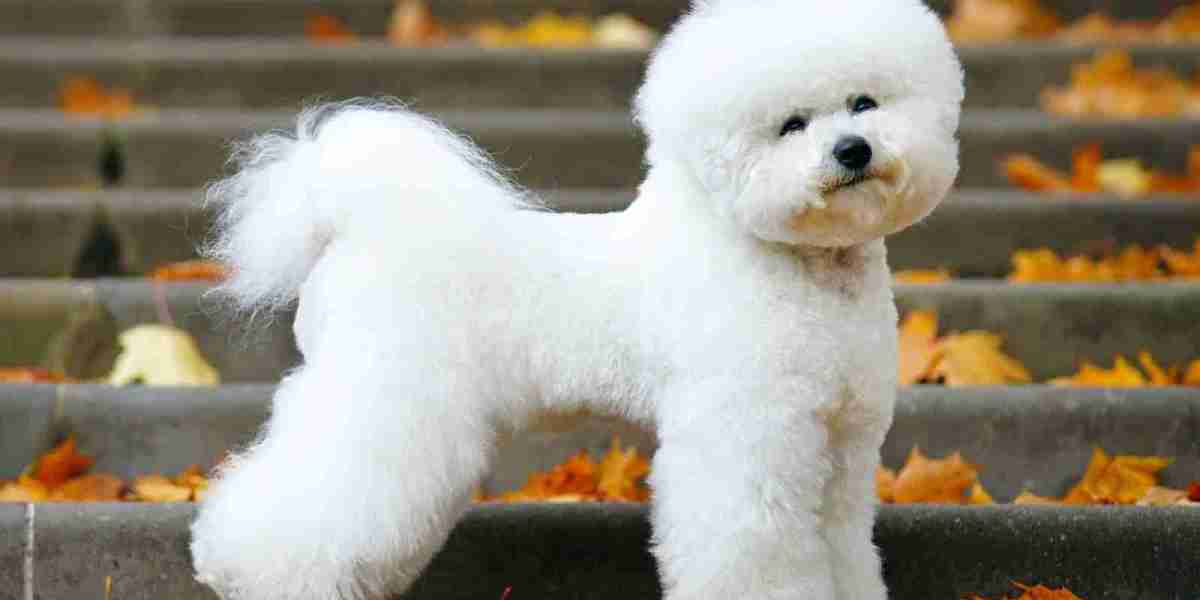

When you first meet a Bichon Frise Dog, it’s hard not to smile. Their soft, curly coats, bright eyes, and bouncy walk make them look more like a plush toy than a real dog. But behind the adorable fluff is a smart, sensitive, and joyful little dog who deserves more than cuddles — they deserve proper care, attention, and understanding.
This blog is your complete guide to looking beyond the curls. We’ll walk you through the health needs, common medical issues, lifespan, and daily care routines that help Bichons live their happiest and longest lives. Whether you're a new dog parent or a long-time Bichon lover, you’ll find everything you need here.
1. Meet the Bichon Frise: More Than Just a Pretty Face
The Bichon Frise Dg is a small, cheerful dog originally bred for companionship. These dogs were once favorites in royal courts and even performed with circus troupes, thanks to their trainability and charm. Today, they are beloved family pets who thrive on human interaction and affection.
They are typically:
Friendly and gentle with children and seniors
Social and outgoing with strangers
Very attached to their family
Sensitive and emotional — they don’t like being left alone for long
A well-cared-for Bichon is playful, affectionate, and full of life. But their personality can suffer if they’re bored, lonely, or not feeling well.
2. How Long Do Bichon Frises Live?
One of the most heartwarming facts about Bichons is their long lifespan. On average, a Bichon Frise lives between 12 and 15 years, and some can live even longer — up to 17 years with excellent care.
Key Factors That Affect Lifespan:
Genetics and breeding
Diet and nutrition
Exercise and mental activity
Grooming and hygiene
Preventive health care
While genetics play a role, how you care for your Bichon every day matters just as much — if not more — when it comes to their longevity.
3. The Most Common Health Problems in Bichon Frises
Even though they are a generally healthy breed, Bichons are prone to some specific health issues. Learning to spot early signs can help prevent small problems from becoming serious ones.
Allergies
Bichons are known to have sensitive skin and stomachs. Allergies can be triggered by food (like chicken or grains), environmental factors (like pollen or dust), or even grooming products.
Signs:
Itchy skin
Licking paws
Frequent ear infections
Vomiting or loose stool
Prevention/Treatment:
Hypoallergenic diets
Allergy-friendly shampoos
Medications or allergy shots from your vet
Dental Disease
Because of their small mouths, Bichons often suffer from plaque buildup, gum disease, and tooth loss if dental care is ignored.
Signs:
Bad breath
Yellow teeth
Drooling or difficulty eating
Prevention:
Daily brushing
Dental chews
Yearly professional cleanings
Bladder Stones
Bichons, especially males, are more likely to develop painful bladder stones.
Signs:
Trouble urinating
Blood in urine
Frequent accidents
Prevention:
Plenty of water
Prescription urinary diets
Regular vet checkups
Eye Problems
Their big, beautiful eyes are prone to issues like cataracts, dry eye, and tear staining.
Signs:
Cloudy eyes
Excessive tearing
Eye rubbing
Prevention:
Gentle eye cleaning
Vet-prescribed drops
Regular eye exams
Luxating Patella
This condition occurs when the kneecap slips out of place. It’s common in small breeds.
Signs:
Limping
Skipping a step while walking
Temporary lameness
Treatment:
Weight management
Joint supplements
Surgery (in severe cases)
4. Daily Habits That Promote Long Life
Helping your Bichon live a longer life is all about routine care and preventive habits. The good news? These routines are simple and become second nature with time.
Feed High-Quality Food
Choose a diet with real meat (like lamb, turkey, or fish), whole grains or vegetables, and no artificial additives. Look for food made for small breeds.
Feed by age group:
Puppies need calorie-dense food
Adults need balanced maintenance diets
Seniors may need lower-calorie food with joint support
Keep Them at a Healthy Weight
Extra weight stresses your Bichon’s joints, heart, and organs. Use a measuring cup to feed proper portions, and skip the table scraps.
If your Bichon is overweight:
Reduce treats
Add light daily exercise
Ask your vet for a weight management plan
Brush and Groom Regularly
That beautiful white coat takes work. Without regular brushing, the hair mats easily and traps dirt, which can lead to skin infections.
Grooming tips:
Brush 3–4 times per week
Bathe every 3–4 weeks
Professional grooming every 4–6 weeks
Trim nails and clean ears weekly
Brush Their Teeth
Dental disease is a silent threat in Bichons. Brushing just a few times a week can save your dog from painful infections and tooth loss.
Start early, and use dog-friendly toothpaste. Add dental chews and schedule annual vet cleanings.
Get Annual Vet Exams
Your vet is your partner in keeping your Bichon healthy. Yearly checkups catch early signs of disease and keep vaccines, bloodwork, and teeth cleanings on track.
As your Bichon gets older (around 8+ years), consider seeing the vet twice a year for senior care.
5. Do Mixed Bichons Have Fewer Health Problems?
Bichon mixes — like the Poochon (Poodle mix), Cavachon (Cavalier King Charles Spaniel mix), or Maltichon (Maltese mix) — are very popular. Sometimes, mixing can reduce the risk of certain inherited diseases. But that’s not always the case.
Important things to know:
Mixes can still inherit health issues from either parent breed
Always ask about the breeder’s health testing
Care and lifestyle still matter just as much
Whether purebred or mixed, a Bichon needs consistent care to stay healthy.
6. Keeping Your Bichon Mentally Happy
A happy dog lives longer — and Bichons are happiest when their minds are engaged. Because they were bred as companion dogs, Bichons crave stimulation and attention.
Mental exercise ideas:
Trick training
Puzzle feeders
Hide-and-seek with treats
New walking routes or socializing at the park
Avoid leaving them alone for long hours, as boredom can lead to anxiety or destructive behaviors.
7. Caring for Your Senior Bichon
Bichons become seniors around age 8 or 9. At this stage, you may notice:
Slower movement
Less energy
Graying coat or cloudier eyes
Weight gain or loss
What to do:
Switch to senior food
Add joint supplements
Keep walks short but frequent
Increase vet visits to twice a year
Add soft bedding and ramps for comfort
Many older Bichons stay playful and active well into their teens with the right care.
8. Signs of a Healthy Bichon
You don’t need a medical degree to spot a healthy Bichon. Look for these signs:
Clear eyes and clean ears
Fresh breath and clean teeth
Normal appetite and weight
Energetic behavior and playfulness
Shiny coat with no bald spots or redness
Smooth, easy movement with no limping
If something feels “off,” trust your gut and call your vet.
Check out best dog age calculator to know your dog exact age in human years
Frequently Asked Questions (FAQs)
What is the average lifespan of a Bichon Frise?
The average lifespan of a Bichon Frise is 12 to 15 years, though many live up to 17 years with proper care. Their long life is often credited to good genetics, a healthy diet, regular vet visits, and attentive day-to-day care.
Are Bichon Frises prone to specific health problems?
Yes, while generally healthy, Bichons are prone to allergies, dental disease, bladder stones, ear infections, eye problems, and luxating patella. Being aware of these risks and addressing early signs can help you manage or even prevent many of these issues.
How can I tell if my Bichon has allergies?
Common allergy symptoms include itchy skin, licking paws, red ears, frequent ear infections, and digestive upset. Allergies can come from food (like chicken or grains), dust, pollen, or grooming products. A vet can help you identify the triggers and offer treatment.
What should I feed my Bichon to help them live longer?
Feed your Bichon high-quality, balanced food made for small breeds. Avoid fillers like corn, soy, and artificial preservatives. Look for real meat as the first ingredient. For seniors, switch to a formula that supports joint and heart health, and watch their weight to prevent obesity.
How often should a Bichon Frise see the vet?
Healthy adult Bichons should see the vet at least once a year. Senior Bichons (8 years and older) should visit the vet twice a year for blood tests, dental care, and monitoring age-related conditions like arthritis or organ function.
Are Bichon mixes (like Poochon or Cavachon) healthier?
Sometimes — mixing breeds can slightly reduce the chance of certain inherited diseases, a concept called “hybrid vigor.” However, mixed breeds can still inherit health issues from both parents. Responsible breeding and regular health care are key for both purebreds and mixes.
Do Bichons need a lot of grooming?
Yes, their double coat requires regular maintenance to avoid painful mats and skin infections. Brush them at least 3 times a week, bathe every 3–4 weeks, and schedule professional grooming every 4–6 weeks. Also keep up with nail trimming, ear cleaning, and dental care.
Is it okay to leave my Bichon home alone all day?
No, Bichons are very social and can suffer from separation anxiety. They prefer being with their people and may become anxious or destructive if left alone for long hours. If you work full time, consider a dog walker, pet sitter, or doggy daycare to break up the day.
How can I keep my Bichon mentally stimulated?
Mental stimulation is just as important as physical exercise. Keep your Bichon mentally sharp with puzzle toys, training games, interactive feeding tools, and new experiences like walks in different neighborhoods or socializing with other friendly dogs.
Final Thought: Beyond the Curls Lies a Heart of Gold
The Bichon Frise may win your heart with its curls, but it’s their kind eyes, joyful nature, and deep loyalty that truly make them unforgettable. While their grooming needs and health risks require commitment, the love you get in return is endless and unconditional.
By understanding the needs of your Bichon — not just on the outside, but within — you're setting them up for a longer, healthier, and more joyful life. Whether you’ve just brought home a fluffy pup or are caring for a beloved senior, remember: your everyday choices make a difference.
In the end, the true beauty of the Bichon Frise isn't just in their appearance. It's in the way they make every day brighter — with tail wags, happy bounces, and the comfort of quiet companionship. Care for them well, and you’ll be rewarded with years of love that go far beyond the curls.