
Technology continues to reshape the landscape of education, and one of the simplest yet most powerful tools emerging in classrooms today is the QR code. Quick Response (QR) codes, once used mostly in marketing and retail, are now being harnessed to create engaging, interactive, and efficient learning experiences. With the widespread availability of smartphones and tablets, QR code readers are being used in schools, colleges, and online learning platforms in increasingly innovative ways.
Simplifying Access to Learning Materials
One of the most practical uses of QR codes in education is providing instant access to digital content. Teachers can generate QR codes that link directly to PDFs, videos, presentations, websites, or even Google Forms. This eliminates the need for students to type long URLs or search manually for resources. For example, a history teacher might place a QR code on a classroom poster that links to a documentary video or an article about a specific era. Students simply scan the code using their device and are instantly directed to the material.
Enhancing Classroom Interactivity
QR codes can transform a traditional classroom into an interactive learning hub. Teachers can embed quizzes, polls, or surveys in QR codes and place them around the classroom. Students can scan them during activities, allowing for real-time engagement and feedback. In science classes, QR codes can be placed next to lab equipment or experiments, linking to detailed instructions or demonstration videos. This creates a more hands-on learning environment and encourages students to explore at their own pace.
Supporting Blended and Flipped Learning
With the rise of blended and flipped learning models, QR codes serve as a bridge between in-class and at-home learning. Teachers can assign videos, articles, or exercises as homework and provide access through QR codes given during class. In return, students can come prepared with questions or discussions based on the material accessed at home. This approach not only personalizes learning but also fosters a more active, student-centered classroom experience.
Facilitating Independent and Differentiated Learning
QR codes can be tailored to meet different learning levels and styles. Teachers can create multiple QR codes that lead to various resources catering to beginner, intermediate, or advanced learners. For example, in a reading class, QR codes on books might lead to different levels of comprehension questions or audio versions of the text for auditory learners. This kind of differentiation ensures that every student can learn in a way that suits them best, making the classroom more inclusive and effective.
Promoting Gamified Learning Experiences
Gamification has proven to be a successful strategy in motivating students, and QR codes play a significant role in this trend. Educators can design scavenger hunts, escape rooms, or trivia games using QR codes that lead to clues or tasks. For instance, during a geography lesson, students might scan codes hidden around the school that provide facts or riddles about different countries. This makes learning fun and active while reinforcing academic content in an engaging way.
Streamlining Classroom Management
QR codes can also be used to manage classroom logistics efficiently. For instance, attendance can be taken by asking students to scan a QR code using a qr コード リーダー, on their smartphones or tablets upon entering the classroom, which links to a Google Form that records their presence. Teachers can also use QR codes, accessed through a QR code reader, to distribute assignments, collect homework submissions, or provide quick access to classroom rules and procedures. This reduces paper use, saves time, and creates a more organized classroom environment.
Enhancing Parent Communication and Engagement
QR codes are not limited to student use—parents can benefit as well. Schools can include QR codes on newsletters, report cards, or event invitations that link to more detailed information, videos, or signup forms. During parent-teacher conferences or open houses, QR codes placed around the school can provide parents with insights into classroom activities, curriculum plans, or student work. This strengthens the home-school connection and keeps parents more informed and engaged.
Assisting in Language Learning
Language teachers can use QR codes in a variety of ways to support vocabulary acquisition, pronunciation practice, and grammar exercises. For example, QR codes placed on flashcards or classroom objects can link to audio recordings of native speakers saying the word. Students can scan these codes to hear correct pronunciation, helping improve their listening and speaking skills. Similarly, QR codes in language worksheets can link to video explanations or additional exercises for practice.
Improving Accessibility for Students with Disabilities
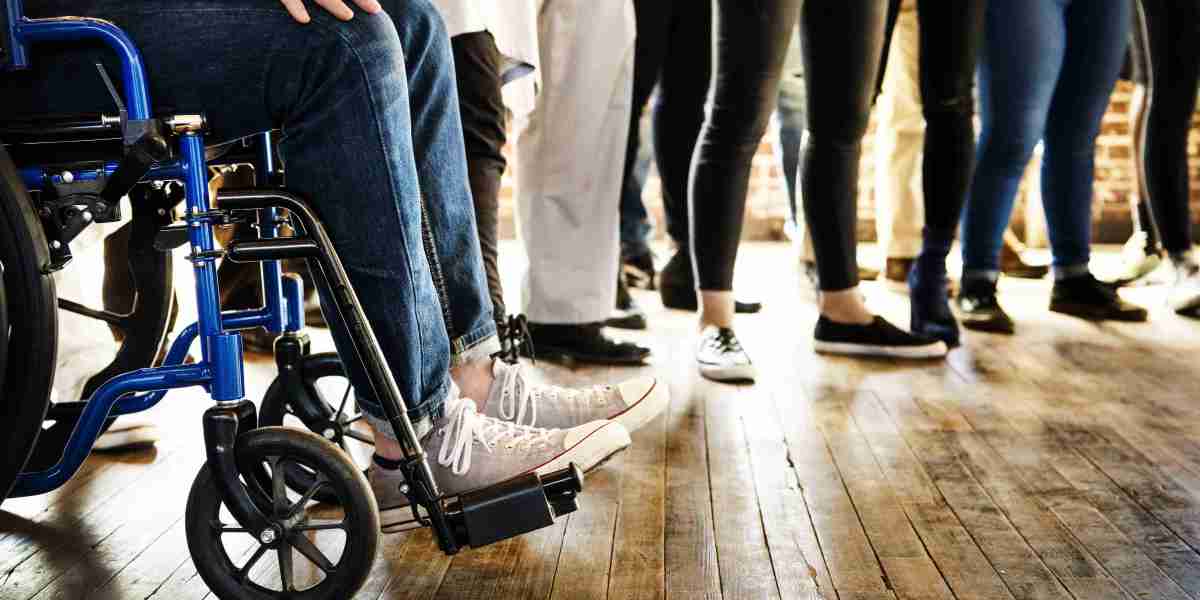
QR codes can be a valuable accessibility tool for students with physical or learning disabilities. For visually impaired students, QR codes can link to audio descriptions, transcripts, or screen-reader-friendly documents. For students with dyslexia or reading difficulties, QR codes might lead to video content or interactive tools that present information in a more accessible format. In this way, QR code technology supports a more inclusive educational environment.
Fostering Creativity and Student-Led Learning
Students themselves can become creators of QR codes. In project-based learning, students might produce digital content—like a video presentation or an educational blog—and then generate a QR code linking to their work. These codes can be displayed during exhibitions, on bulletin boards, or even on school websites. This empowers students to take ownership of their learning and enhances their digital literacy skills.
Conclusion
QR code readers are proving to be more than just a novelty in education. Their versatility, simplicity, and ability to bridge digital and physical learning make them a powerful tool for educators and students alike. From streamlining classroom management to enhancing interactive learning, QR codes offer innovative solutions that align with modern educational needs. As technology continues to evolve, the creative use of QR code readers in education will likely grow, paving the way for even more engaging, inclusive, and effective learning experiences.